
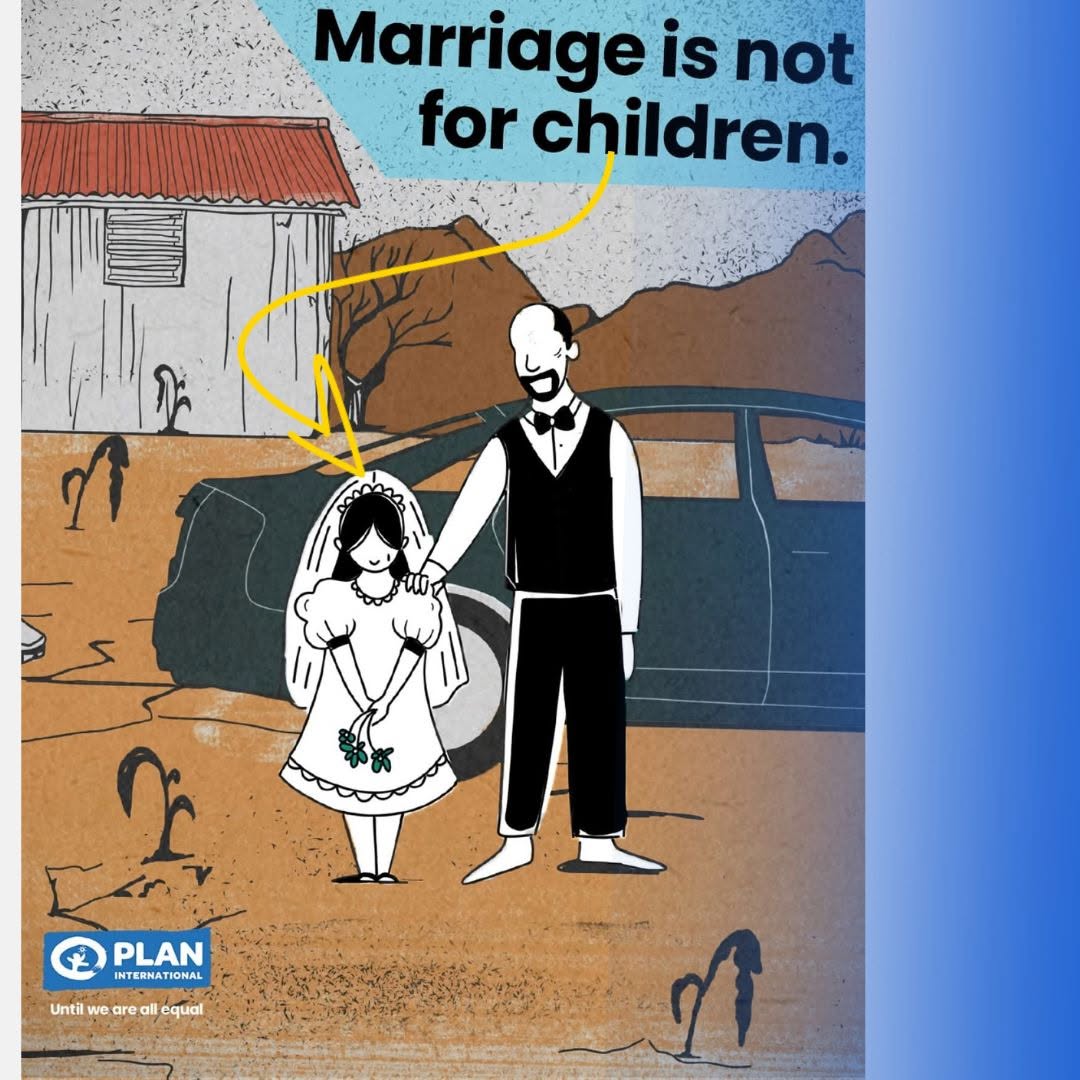
Marriage is not for children. Picture: Plan International
A partially blind Kenyan woman who got married at the age of 13 to a 42-year-old man has narrated how child marriage robbed her of the right to basic education and exposed her to HIV/AIDS.
Josephine Nyaboke Leshao (47), who lives in Machakos, Kenya,
explained that child marriage deprived her of her childhood, education,
freedom, choices and the opportunity to determine the direction of her own
life.
She explained that girls between the ages of 12 and 15 are married to men between the ages of 20 and 90. She said most minors are married because of cultural demands, while poverty is another factor contributing to child marriage.
Child marriage remains a major barrier to girls’ education, with research suggesting that improving foundational literacy and numeracy could help reduce early marriage. Michelle Kaffenberger, Director of Evidence Translation at the What Works Hub for Global Education (WWHGE), said that their research model found that achieving foundational literacy and numeracy could result in 16 million fewer adolescent girls entering into marriages.
Separately, UNICEF estimates that 650 million girls and women alive today were married before their 18th birthdays, with more than 50 million of them residing in Eastern and Southern Africa. UNICEF further states that Ethiopia has the largest number of child brides in the region.
Leshao, who was focused on rescuing girls forced into marriage between the ages of 9 and 15, recalled, “I only managed to reach Class Three. My education was cut short when I was forced into marriage at the age of 13. Therefore, I grew up without the education and opportunities that many children take for granted.”
She said that at an age when she should have been learning,
playing and growing up among her peers, she was instead forced to assume the
responsibilities of a wife and, shortly afterwards, a mother.
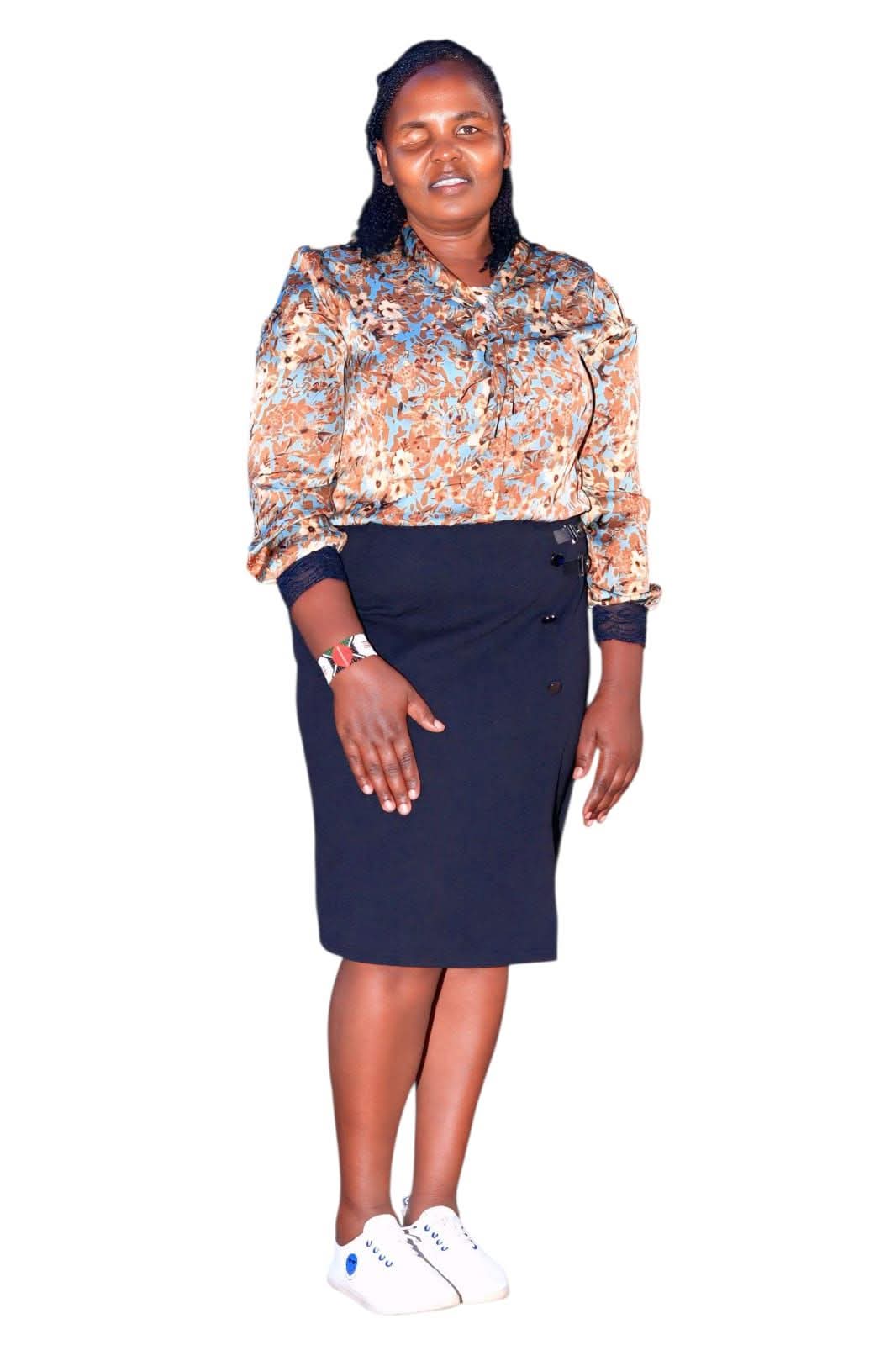
Married at 13, Josephine Nyaboke Leshao says child marriage robbed her of her education and choices.
Leshao recounted:
“One of the most painful experiences of my life was
the sexual abuse I endured from my late husband. I became pregnant at the age of 14, and all three of my children were born from this abusive marriage.”
“My suffering did not end there. My husband later married seven more women. He infected all of us with HIV. This added another devastating dimension to the pain and hardship I experienced as a young wife.”
Though her husband and six of his seven other wives have died, Leshao remembers the abuse she suffered from her husband and becoming pregnant at the age of 14.
These experiences shaped much of her life and left her with a deep understanding of the devastating consequences of child marriage.
Leshao has also been diagnosed with cancer of the eye, which resulted in her losing her eyesight. Due to a lack of funds, she has put on hold her efforts to rescue vulnerable girls. After losing her sight, she established Hope Beyond Limit, an organisation that specialises in making beaded bracelets, necklaces, shoes, baskets and belts and sells them at a local market.
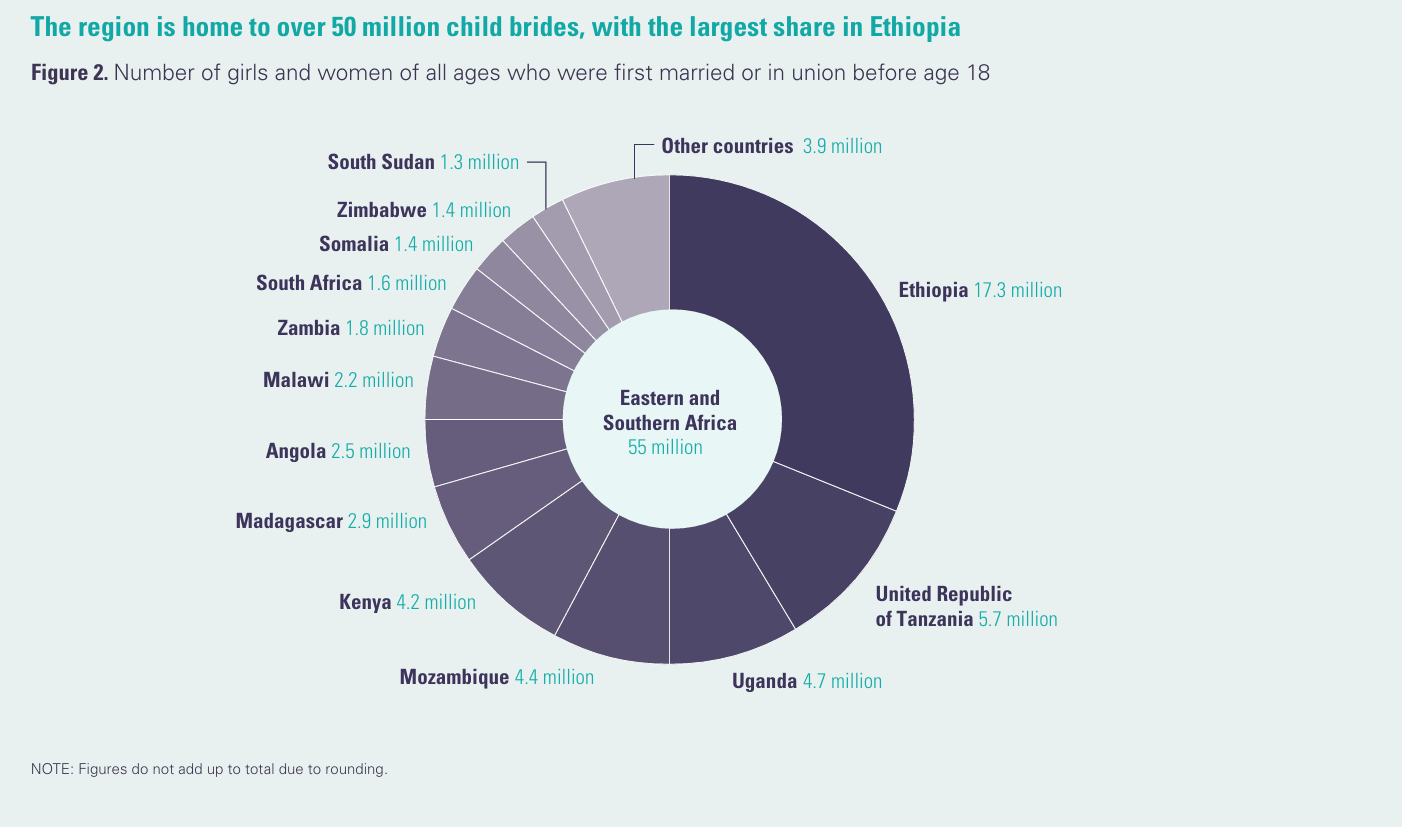
UNICEF estimates that more than 50 million child brides live in Eastern and Southern Africa. Picture: UNICEF
Leshao emphasised that exposure and education are extremely important. She believes that girls need to be exposed to information, opportunities and different possibilities so that they can understand that they have choices in life.
Research links learning to lower rates of child marriage
Leshao’s emphasis on education aligns with research presented by Kaffenberger during the International Center for Journalists (ICFJ) programme on Reporting on Literacy & Numeracy.
Kaffenberger outlined that the modelling examined the potential impact of improved foundational learning on education, economic and human development outcomes, including child mortality and child marriage.
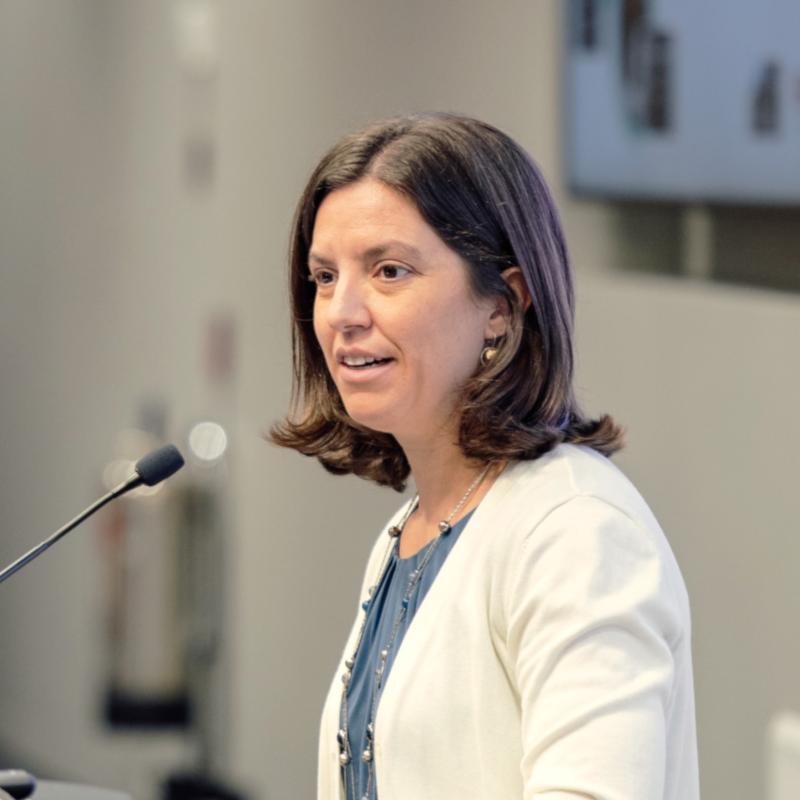
Michelle Kaffenberger says improving foundational learning could help reduce early marriage among girls.
The modelling covered 113 countries and looked at potential outcomes over 20 years, including primary school completion, secondary school enrolment, youth employment, child mortality and child marriage. Kaffenberger said that children who learn more are more likely to remain in school and progress to secondary education.
Kaffenberger said:
“We also find reduced early marriages for girls as
well. So, 16 million fewer adolescent girls entering into marriages.”
She explained that the finding was specifically linked to
girls' learning outcomes and their likelihood of remaining in school.
“When the girls are achieving greater learning outcomes, they are more likely to stay in school, and when they are in school, they are less likely to engage in early marriages,” she said.
Kaffenberger identified the largest changes in the model for
reducing early marriages among girls as being in Ethiopia, followed by India,
Mozambique, Uganda and Nigeria.
“We did this modeling; we are modeling a best-case scenario. If we achieved 90% literacy and numeracy in these countries, what are the outcomes that we could achieve?” she asked.
The research examined the consequences of low learning
outcomes and what could be achieved if children gained foundational literacy
and numeracy skills.
“We wanted to look specifically at the returns to learning,
because they are there, but if they are not learning, then we are missing some
of the potential gains that we could have. We are missing out on something that
those children could be gaining and achieving through those years,” she explained.
Improved learning could bring wider gains
The modelling also examined other potential outcomes,
including youth employment and child survival.
Kaffenberger said that improved foundational skills could potentially result in 49 million more young people being persistently employed.
The research also found that nearly 12 million child lives could potentially be saved, with the vast majority of these gains occurring in sub-Saharan Africa.
“This is coming from women who are better educated and have
higher learning achievements, who have lower child mortality rates for their
children,” she explained.
Kaffenberger added:
“When the mothers are better educated, we see better
outcomes for their children, and so this results in lower child mortality
outcomes.”
She said that the findings were intended to demonstrate the broader potential returns of investing in foundational learning, beyond literacy and numeracy alone.
The research also found potential gains in primary and
secondary education.
Kaffenberger said, “Children who are learning more in school stay in school longer, and so we find that achieving this universal foundational learning could result in upwards of 360 million more children completing primary school, which is a top goal for a lot of countries and governments, as well as more than 400 million more children progressing on to secondary school.”
Poverty and school dropout put girls at risk in Lesotho
The link between education, poverty and child marriage is
also reflected in Lesotho, where the Lesotho Mounted Police Service (LMPS) says
several factors can place girls at risk of early marriage.
Responding to our media enquiry, the LMPS Child & Gender
Protection Unit (CGPU) national coordinator, Senior Inspector Petje Teke,
described child marriage as a formal marriage or informal union involving a
person below 18 years of age.
He highlighted that it is considered a violation of children's rights because children are not yet fully prepared to make decisions about marriage, sexuality, reproduction and adult family responsibilities.
Teke explained that in Lesotho, the problem may include not
only formally registered marriages but also elopement, cohabitation and
traditional arrangements involving underage girls.
He identified factors contributing to child marriage in Lesotho as including, among others, poverty, school dropout and teenage pregnancy.
“Several factors interact to place girls at risk: Poverty
and economic hardship. Poor families may see marriage as a way of reducing the
economic burden of supporting a daughter. Poverty can also make girls more
vulnerable to relationships with older men who provide financial or material
support. Poverty is recognised internationally as a major driver of child
marriage.”
Teke explained that girls are particularly vulnerable and that child marriage has consequences extending well beyond the marriage itself.
“Girls who marry early are more likely to discontinue their education. They experience early pregnancy and face pregnancy and childbirth complications. They experience domestic or sexual violence and become economically dependent on their spouses. They experience social isolation, have fewer employment and livelihood opportunities, and experience increased vulnerability to HIV and other sexual and reproductive health risks,” he explained.
Teke emphasised that pregnancy outside marriage can create
social pressure on a girl and her family to arrange or accept marriage. He said
that early pregnancy can therefore become both a consequence and a driver of
early marriage.
Girls may elope because of pregnancy, family conflict, poverty or a desire to escape difficult circumstances, Teke said.
Police response requires cooperation across sectors
Teke clarified that the LMPS, particularly through the CGPU, has an important role in preventing and responding to child marriage. He outlined that police investigate allegations involving underage marriage, sexual exploitation, sexual offences, forced relationships and other forms of abuse connected with child marriage.
To create public awareness, police warn parents, guardians
and communities about the legal consequences of marrying children. They also encourage
them to report cases rather than treating them as private family matters.
To protect children at risk, the CGPU identifies children
who are exposed to sexual exploitation, abuse and other forms of violence and
refers them to appropriate protection and support services.
Teke stressed:
“Child marriage cannot be addressed by the police
alone. Effective prevention requires cooperation among the police, social
workers, schools, health facilities, chiefs, courts, prosecutors, civil society
organisations, parents and children themselves. Lesotho emphasises
multisectoral coordination, case management and child-friendly reporting and
referral mechanisms.”
He explained that the LMPS can curb child marriage by working with parents and guardians to address poverty, teenage pregnancy and social pressures that contribute to early marriage. Teke emphasised that strengthening referral systems between police, social welfare, health services, education authorities and justice institutions is important.
Teke emphasised that perpetrators and adults who facilitate child marriage should be held accountable for their actions, while ensuring that children are protected from retaliation or further harm from them. He also highlighted the importance of reliable police data on reported, investigated and prosecuted child-marriage cases to identify high-risk areas and measure the effectiveness of interventions. He stressed the importance of engaging men and boys because changing gender norms and preventing exploitation requires their active participation.
